Want more education
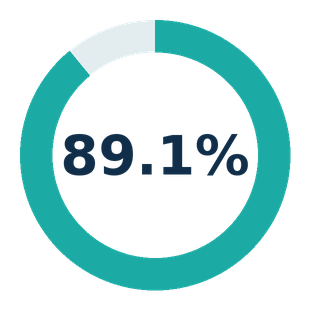
57 of 64 respondents (89.1%) said schools should provide more information about what to expect after a car accident.
“I was scared. I didn't really know what to do.” One teen's experience inspired a resource to help the next teen feel more prepared.
Created by a teen. Made for teens.
Hi! I’m Peyton, a 16-year-old high school student from South Florida. After being involved in a car accident, I remember feeling scared and not really knowing what to do next. That experience inspired me to create WHAT NOW? to help other teens feel more prepared, informed, and supported when the unexpected happens.
I remember how scared I felt after being involved in a car accident. I had learned how to drive, but in that moment, I didn't really know what to do.
That feeling stayed with me. I started wondering how many other teenage drivers might feel the same way.
So I created WHAT NOW? — a teen-led project sharing simple preparedness tools and trusted resources, so other teens can feel less alone when something unexpected happens.
I'm not an expert. I'm just a teenager who wanted to turn a scary experience into something helpful.
WHAT NOW? is about confidence, community, and care — not legal advice. We want teen drivers to have a starting point before they ever need one.
Keep a simple reference nearby and talk through what you would do with a parent or trusted adult.
Know who to call for support and where to find trustworthy safety information.
Help another teen feel more prepared by passing along the free card.
Results from our anonymous Teen Driver Preparedness Survey.
57 of 64 respondents (89.1%) said schools should provide more information about what to expect after a car accident.
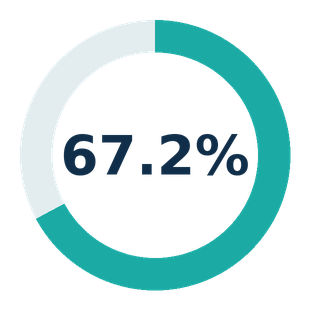
43 of 64 respondents (67.2%) said a step-by-step card would definitely or probably help them feel more prepared.
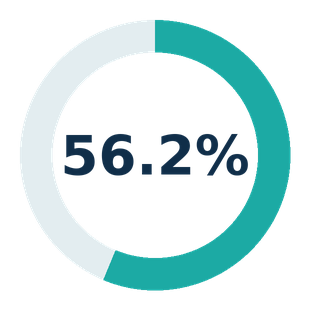
36 of 64 respondents (56.3%) selected a printable glove-compartment card as a helpful resource. Multiple selections were allowed.
Based on 64 voluntary responses. Findings are preliminary and do not represent all teen drivers.
Feeling nervous about driving again? You're not alone.
After a crash, intersections, traffic, or even sitting in a car might feel different. Feeling shaken or worried is an understandable reaction to something frightening.
Tell a parent, guardian, or another trusted person how you're feeling. If and when you're safe and ready to drive, a supportive adult or qualified driving instructor can help you take things at a manageable pace.
If fear lasts, worsens, or affects sleep, school, or everyday life, talk with a healthcare or mental health professional. You don't need to figure it out alone.
Being nervous doesn't make you a bad driver. Talking about your feelings and asking for help are part of taking care of yourself after an accident.
General peer-to-peer encouragement, not counseling, medical advice, or a driving-clearance assessment. Follow guidance from healthcare professionals and emergency responders as appropriate.
A glove-compartment reminder created by a teen, for teens. See both sides below, then download the 4 × 6 inch printable PDF.
Front and back of the card
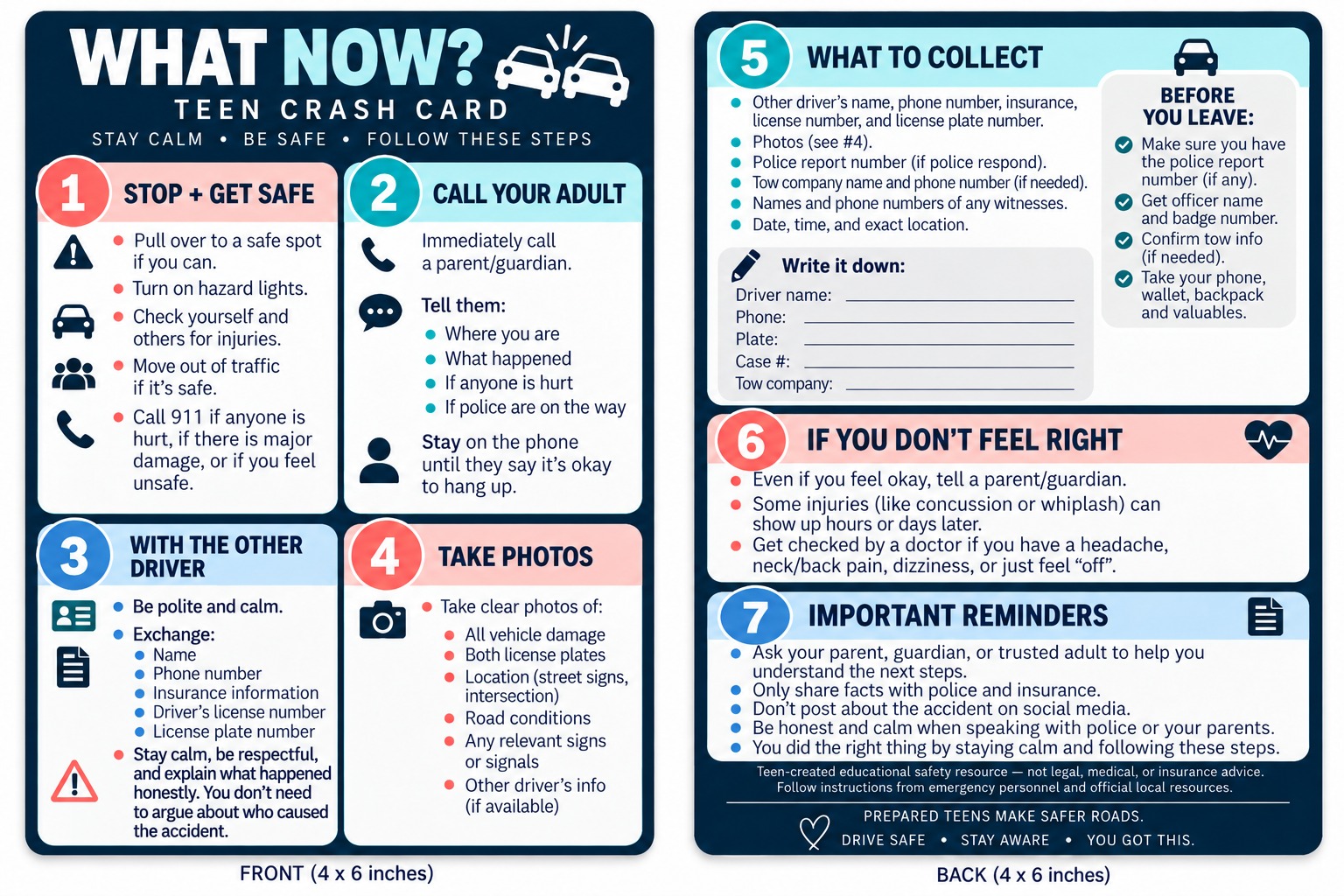
Print the PDF at actual size, double-sided, flipping on the short edge as appropriate for your printer. This teen-created card provides general educational information, not legal, medical, or insurance advice. Review official local guidance and follow emergency personnel instructions. Before wider distribution, check the card's wording and layout.
We’re inviting teens to take a quick survey about how prepared they feel for a car accident. Your responses will help guide free, teen-friendly preparedness resources.
About 2 minutes · Voluntary · No names or email addresses requested.
The survey is hosted by Google Forms. Please don't include identifying details in any answers. Survey findings will be shared only in aggregate, and will describe participating respondents—not all teens.
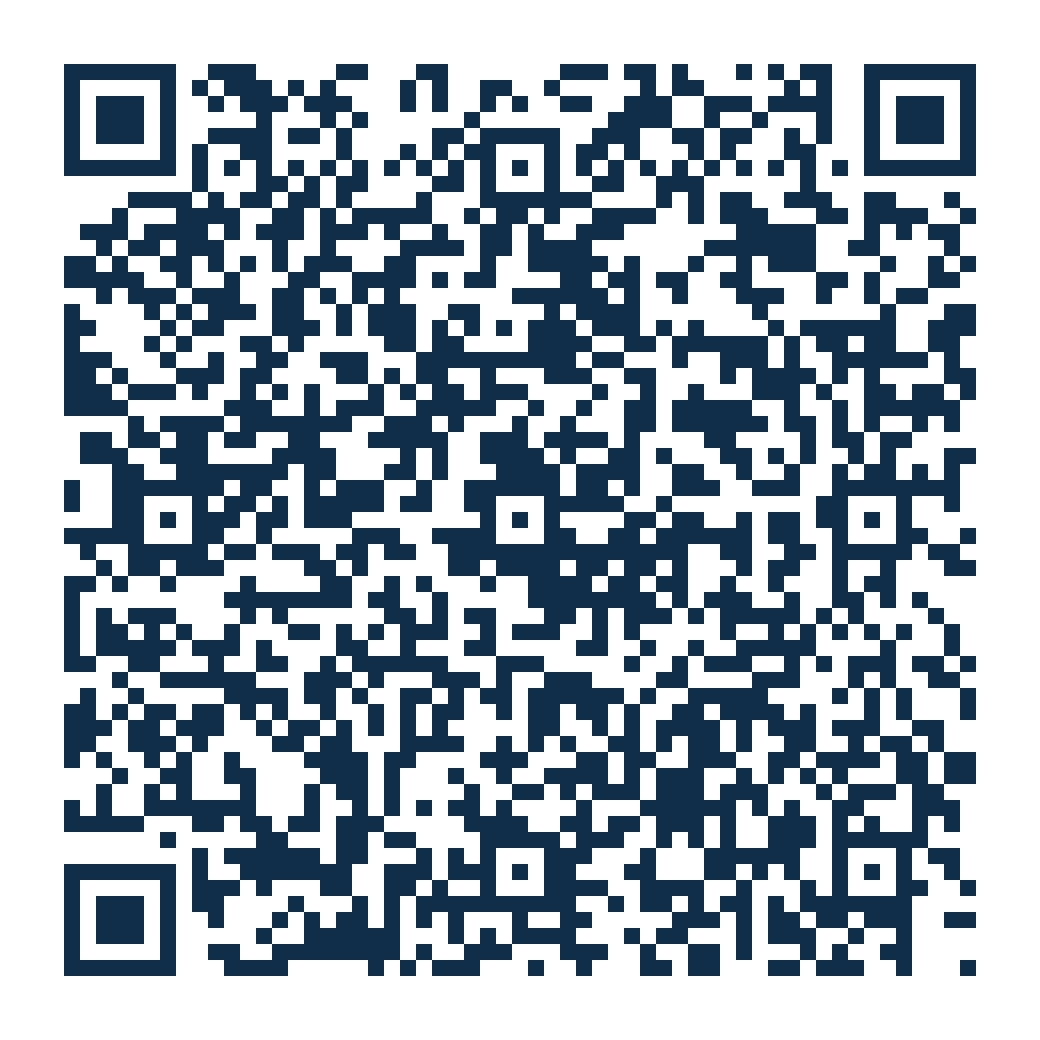
Scan with your phone's camera to open the survey.
We don't interpret laws or insurance policies. For location-specific requirements and procedures, use official resources and qualified professionals.
A card tucked into one glove compartment could help start an important conversation. Families, schools, student organizations, and driver education programs can print and share the resource for free.
We are starting small, with a goal of reaching more teen drivers through real conversations and community outreach.
Share the free crash cardNo. WHAT NOW? shares general safety and preparedness education, not legal, medical, or insurance advice.
Yes. You can print it for noncommercial educational sharing. Please leave the project name and safety disclaimer visible.
No. The website itself has no account creation or on-site form. Our optional anonymous survey opens in Google Forms; responses are handled by Google. No names or emails are requested.